
Posted by Fish House Nation Podcast on 13th Dec 2025
Basin Crappies 101: How to Find and Catch Winter Crappies in Open Water Basins
When ice anglers think about crappie fishing, many picture weed edges, shallow flats, or early-season bites close to cover. But for anglers willing to drill holes, stay mobile, and fish deeper water, basin crappies can offer some of the most consistent and exciting action of the ice season.
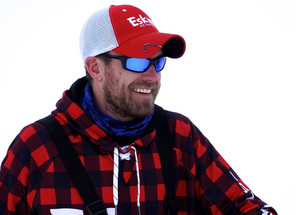
On Episode 83 of the Fish House Nation Podcast presented by Catch Cover, host Chris Larsen sat down with Ottertail County, Minnesota fishing guide Randin Olson of Lock Jaw Guide Service to break down his approach to basin crappies—from finding the right basin to choosing the right baits, tackle, and shelters.
If you’re looking to expand your crappie game this winter, here’s a complete breakdown of Randin’s basin crappie playbook.
Why Basin Crappies Are So Addictive
Crappies are a unique species under the ice. According to Randin, they’re abundant, aggressive, and strong fighters—but they’re also unpredictable.
“There’s a lot of them, they’re easy to find, but they’re hard to find at the same time,” Randin explains. “You put in the work to locate them, and the payoff is almost always worth it.”
In Ottertail County, where panfish opportunities are exceptional, crappies pushing into the 14–15 inch range aren't rare. But even on pressured lakes closer to the metro, basin crappies can offer better size and less competition than shallow fish—if you know where to look.
Shallow Crappies vs. Basin Crappies
One of the biggest differences between shallow-water crappie fishing and basin fishing is movement.
-
Shallow weed fish tend to be more scattered and require a “stick and move” approach. You hop holes constantly, targeting pockets within weeds.
-
Basin crappies, on the other hand, roam open water. Once you find them, you can slow down and let the fish come to you.
“In the basin, you can kind of call those fish in,” Randin says. “You get in the general area, use bigger baits, and they’ll come to you.”
That difference drives nearly every decision—from lure selection to shelter choice.
Choosing the Right Basin
Not all basins are created equal. Randin focuses on a few key characteristics when deciding where to drill.
Ideal Basin Features
-
Maximum depth under ~45 feet
-
Weed growth around the basin edges
-
Large, gradual flats
-
Healthy insect life
“If the basin is deeper than 45 feet, I usually don’t bother,” he says. “I like basins with weed beds around them—that usually means more bugs and better habitat.”
If multiple basins look similar, Randin recommends starting with the deepest one, then working shallower if needed.
How to Attack a Basin
Once you’ve selected a basin, it’s time to get to work—and that means drilling holes.
Step 1: Drill First, Fish Later
Randin’s approach is methodical:
-
Drill a straight line of 10–12 holes
-
Drop a flasher or sonar into each hole
-
Look for fish, weeds, or anything interesting
-
Move quickly if nothing shows
“If I don’t see fish, I drill another 12 and do it again,” he says.
When he marks something promising—fish, a weed clump, or subtle structure—he’ll drill five or six more holes around it and spend 20 minutes working the area.
Where to Fish in the Water Column
One of the most common mistakes anglers make when basin fishing is fishing too low or too high.
Randin’s rule of thumb:
-
Start at 5/8 to 3/4 of the way down
-
Fish the bottom half to bottom three-quarters of the water column
This approach:
-
Calls in suspended fish
-
Still attracts fish cruising near the bottom
-
Keeps your bait visible from a distance
If fish are there, you’ll usually know quickly.
Does Water Clarity Matter?
Surprisingly, Randin doesn’t change his approach much based on water clarity.
“Those fish live there. They’re used to it,” he explains. “They’re still using vibration and sound to hunt.”
That said, timing can differ:
-
Dirty water lakes often fish better throughout the day
-
Clear lakes tend to have stronger morning, evening, and after-dark bites
The key takeaway: don’t overthink clarity—focus on location and presentation.
Basin Crappie Lure Selection
This is where basin fishing really separates itself from shallow water tactics.
Go Bigger in the Basin
Randin ups his lure size significantly when fishing open water:
-
Size 3 Puppet Minnows
-
Size 4 Rippin’ Raps
-
Larger rattling hard baits (up to ~2 inches)
“Big, bulky, loud, annoying—that’s what you want,” he says.
These baits:
-
Call fish in from a distance
-
Catch all sizes of crappies
-
Trigger aggressive reaction bites
In contrast, shallow weed fishing often calls for:
-
Small tungsten jigs
-
Plastics
-
Subtle “poke and move” presentations
Fishing Inside vs. Outside
Randin fishes outside more than most people expect.
-
Solo trips: mostly outside, no shelter
-
Guiding trips: often outside while clients fish inside
-
Social trips: more likely to pop a shelter
“I’ve usually already put in a lot of work before you see me taking pictures,” he says.
Flip-Over vs. Pop-Up Shelters
Shelter choice plays a big role in basin crappie success.
Why Randin Prefers Flip-Overs
-
Faster to move
-
Easier to stay mobile
-
Less temptation to “camp”
“With pop-ups, once you set them up, you almost don’t want to move,” he explains.
That’s why Randin has switched his guiding operation almost entirely to flip-over shelters—perfect for chasing roaming basin fish.
Responsible Depths for Catch and Release
One important topic Randin emphasizes is fish care.
-
He avoids keeping or releasing crappies from deeper than ~25 feet
-
In warmer months, that depth is closer to 30–32 feet
-
Cold water reduces survival rates at greater depths
“I try to stay above that,” he says. “They just don’t seem to do well past that depth.”
Finding Bigger Basin Crappies
Big basin crappies tend to show up earlier in the season.
-
Larger fish are often first to take advantage of bug hatches
-
Smaller fish follow later
-
When only small fish remain, it’s time to move
“When I start seeing smaller fish consistently, I go find a new basin,” Randin says.
When Basin Fishing Slows Down
Late in the ice season, crappies often transition back shallow.
Why?
-
Snowmelt and runoff boost oxygen levels
-
Fish move toward spawning areas
-
Shallow water warms faster
“We’ve caught them in two or three feet of water late in the season,” Randin notes.
At that point, it’s time to trade basin tactics for shoreline and weed-related patterns.
Final Advice: Drill More Holes
Randin’s closing advice is simple—and honest.
“Get ready to punch a lot of holes. Get a Pistol Bit, a good drill, extra batteries, and go to work.”
Basin crappies reward effort, mobility, and confidence. If you’re willing to stay organized, stay warm, and keep moving—this pattern can completely change your ice season.
As Chris Larsen notes, fishing with a guide like Randin isn’t just about catching fish—it’s about learning skills you can take back to your home waters.
For more ice fishing tips, gear breakdowns, and strategy discussions, visit the Catch Cover blog and tune in to the Fish House Nation Podcast, presented by Catch Cover—your home for ice fishing news, stories, and strategies.