
Posted by Fish House Nation Podcast on 13th Dec 2025
Panfish on Hard Baits: Why Bigger Ice Baits Are Catching Bigger Fish
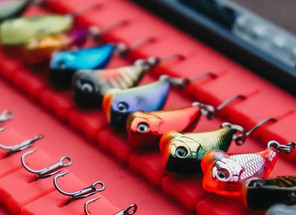
For years, ice anglers chasing panfish have relied on a familiar formula: a tungsten jig paired with waxies, spikes, or soft plastics. It’s a proven approach, and it still catches fish every winter. But in recent years, a growing number of anglers have started to break away from tradition—sending down spoons, jigging rap–style baits, and even lipless crankbaits in search of big bluegills.
On Episode 71 of the Fish House Nation Podcast presented by Catch Cover, host Chris Larsen sat down with Wisconsin angler and outdoor writer Blake Tollefson to dig into this exact trend. The conversation explored why hard baits are becoming more popular for panfish, when they shine, how to fish them effectively, and why confidence might be the most important ingredient of all.
If you’ve ever looked at a two-inch hard bait and wondered, “Will a crappie really eat that?”—this guide is for you.
Why Hard Baits Are Gaining Popularity for Panfish
According to Tollefson, the rise of hard baits in panfish fishing comes down to two main factors: excitement and selectivity.
Hard baits offer anglers a completely different way to fish. They move differently, sound different, and present a much larger profile than traditional panfish jigs. That novelty alone makes them appealing, but the real advantage shows up once the fish start biting.
“These baits are really good at picking out the bigger, more aggressive fish,” Tollefson explained. While smaller panfish will still eat tungsten jigs and plastics all day, larger crappies and bluegills are often more willing to chase and commit to a hard bait.
In other words, hard baits don’t just catch panfish—they help you target the right panfish.
When Hard Baits Make the Most Sense
One of the biggest misconceptions about hard baits is that they’re only useful in specific situations or on certain types of structure. In reality, Tollefson uses them in many of the same places anglers already target panfish.
The key difference is efficiency.
Hard baits tend to be heavier than standard tungsten jigs, which means they sink faster and cover water more effectively. When fishing basin crappies or suspended fish, that faster fall rate can be a huge advantage.
“If I know I’m fishing a lake that has bigger fish, that’s usually the first thing I’m dropping down,” Tollefson said.
He keeps at least one hard bait tied on at all times—whether it’s a jigging rap–style lure, a lipless crankbait, or a spoon. These baits are especially effective when:
-
Fishing basin areas
-
Targeting suspended crappies
-
Searching for fish quickly
-
Trying to trigger aggressive feeders
They’re less effective in heavy weeds, but in open water scenarios, they excel.
Choosing the Right Size Hard Bait
Hard baits for panfish come in a wide range of sizes, from tiny half-inch profiles to baits over two inches long. Choosing the right size depends on depth, fish size, and overall conditions.
If Tollefson had to narrow it down to one “do-everything” size, he’d land in the 1.5- to 2-inch range.
“That size class is especially good when you’re trying to target bigger fish,” he noted.
Depth also plays a role. Heavier baits—often in the 1/8-ounce class—are excellent for getting down quickly in deeper water, while smaller spoons and lighter hard baits shine in shallower situations.
The biggest takeaway? Don’t be afraid of size. Crappies in the 13- to 15-inch range have no problem eating baits that many anglers assume are “too big.”
Rod, Reel, and Line Setup Matters
Because hard baits are heavier than traditional panfish offerings, your gear needs to match the presentation.
Tollefson recommends stepping up to a medium-light rod, similar to what many anglers would consider a walleye rod. A soft panfish rod simply doesn’t have the backbone needed to properly work these baits.
For outdoor fishing, he prefers a longer rod—around 32 inches—which allows better control and more efficient jigging motion.
When it comes to reels, he favors a spinning reel paired with 3- to 4-pound fluorocarbon line. Fluorocarbon offers better sensitivity and less stretch, helping anglers feel subtle bites without sacrificing hook-holding power.
One critical detail: add a small swivel about 18 inches above the bait. Hard baits, especially when fished on spinning gear, can cause line twist. A swivel helps prevent tangles and keeps your presentation clean.
How Aggressive Should You Fish Hard Baits?
Many anglers struggle with hard baits because they assume they need to fish them aggressively all the time. In reality, aggression is situational.
Tollefson starts with bigger, sharper lifts—sometimes a foot or more—to call fish in. Rattle baits in particular excel at drawing attention from a distance.
Once fish appear on the sonar and react to the bait, the approach changes.
“Then it’s a lot softer,” he said. “Small jigging strokes, pauses, sometimes barely moving the bait at all.”
In tough bite scenarios, those subtle movements can make all the difference. The hard bait does the work—you just guide it.
Treble Hooks vs. Single Hooks
Most hard baits come stock with treble hooks, but many anglers swap them out for single hooks—and for good reason.
Single hooks tend to:
-
Stay pinned better
-
Make unhooking fish easier
-
Allow for cleaner plastic rigging
Tollefson especially likes single hooks when tipping baits with plastics. Plastics rig more naturally on a single hook, creating a horizontal “vertizontal” profile that panfish find appealing.
While treble hooks still work, single hooks often provide better efficiency and fewer headaches on the ice.
Should You Tip Hard Baits?
Hard baits are designed to catch fish on their own, and most of the time, Tollefson runs them untipped.
There are exceptions.
On smaller lipless crankbaits or certain jigging rap–style lures, he’ll occasionally add a small plastic to the back hook. When fishing spoons, however, he’s made a big shift.
“I don’t tip spoons with live bait anymore,” he said.
Instead, he uses soft plastics—most often bloodworm-style baits—rigged horizontally on the hook. Color isn’t critical, but red is his go-to. The goal isn’t realism as much as giving fish a target to key in on.
Spoons: The Underrated Panfish Weapon
Spoons deserve special attention in the hard bait conversation. Compared to jigging rap–style baits and lipless cranks, spoons offer unmatched versatility.
They come in a wide range of sizes—from tiny 1/32-ounce models to heavier versions capable of fishing deep water. That makes them effective across more conditions and for more sizes of fish.
Spoons also fall faster than tungsten jigs, making them ideal for suspended fish or schools that move quickly.
The jigging motion is similar: aggressive lifts to call fish in, followed by slower movements once fish are present. The difference is efficiency—spoons get you into the strike zone fast.
When to Switch Between Hard Baits and Tungsten
Even with all the advantages of hard baits, Tollefson hasn’t abandoned tungsten jigs. Instead, he uses both strategically.
If he knows a lake holds big fish, he starts with hard baits. If the bite is tough, he may begin with plastics and tungsten before switching to something different to trigger a reaction.
“If I’ve worked through different jig and plastic combinations and nothing’s working, then I’m going to go to something different—like a jigging wrap or a lipless crank,” he explained.
The ability to switch presentations efficiently is a huge advantage inside a permanent fish house—especially when your gear is organized and within reach.
Confidence Is the Final Piece
More than anything, Tollefson emphasized confidence.
Hard baits look big. They look aggressive. And because of that, many anglers never give them a real chance.
“If you believe it’s not going to work, it’s not going to work,” he said. “You’re not going to give it the time of day.”
His biggest crappies—all of them—have come on the same two-inch lipless crankbait. The proof is there, but only if you trust the process.
Final Thoughts
Hard baits aren’t a replacement for tungsten jigs—they’re an evolution. They give ice anglers another tool to target bigger fish, cover water faster, and break through tough bites.
Whether you’re fishing out of a permanent wheelhouse or hopping holes on foot, having a few hard baits ready can completely change your day on the ice.
And when ice season arrives, having your gear dialed in—from rods and reels to accessories that keep your fish house efficient—makes it easier to experiment, adapt, and fish with confidence.
For more ice fishing tips, gear insights, and Fish House Nation content, visit CatchCover.com.