
Posted by Fish House Nation Podcast on 26th Jan 2026
Trophy Bluegills Through the Ice: Mr. Bluegill’s Secrets to Catching Bigger Fish This Winter
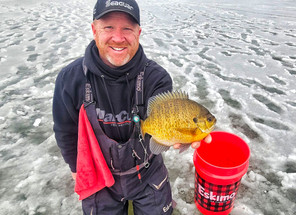
Bluegills might be the first fish most of us ever caught… but catching a true trophy bluegill through the ice is a completely different challenge.
In Episode 21 of the Fish House Nation Podcast, host Chris Larsen sits down with fishing guide and hardcore panfish angler Troy “Mr. Bluegill” Peterson at the St. Paul Ice Fishing Show to talk all things big bluegills — from finding the right lakes to dialing in the best presentation for giant gills.
If you’re ready to move beyond seven-inchers and start chasing the biggest “small fish” in the lake, Troy shares a full blueprint for success.
Why Trophy Bluegills Are So Addictive
Troy opens with a bold statement: pound for pound, bluegills may be one of the hardest-fighting fish in North America.
Just imagine a 12-inch bluegill peeling drag under the ice.
Not only are they fun, aggressive, and curious, but Troy also believes they’re among the best-eating freshwater fish around. That combination makes trophy gills a lifelong obsession for many anglers.
But here’s the reality…
“Finding a 12-inch bluegill is harder than finding a 50-inch muskie.”
A fellow guide once said that Troy — and he agrees. He’s caught multiple muskies over 50 inches, yet still hasn’t landed the magical 12-inch bluegill.
That’s how difficult big panfish have become.
Step One: Trophy Bluegill Fishing Starts With Homework
According to Troy, catching jumbo bluegills isn’t luck — it’s preparation.
Before he ever drills a hole, Troy spends time researching:
-
Lake maps and depth charts
-
DNR creel surveys and net studies
-
Weed types and water clarity
-
Oxygen levels and winterkill risk
-
Inflow/outflow and healthy ecosystems
He compares it to deer hunting.
You don’t shoot a 160-inch buck by accident — you put yourself where those deer live.
Same thing with bluegills:
If the lake doesn’t grow big fish, it doesn’t matter how good you are.
Scout in Spring to Find the Best Bluegill Lakes
One of Troy’s most valuable tips is scouting trophy lakes during the spawning season.
In spring, every big bluegill in the lake will eventually show up on beds. Troy doesn’t fish them then — instead, he uses a kayak or boat to observe with an underwater camera.
This tells him everything:
-
Are there only 9-inch fish?
-
Are there true bulls guarding beds?
-
Does the lake have 10–11 inch potential?
Those are the lakes he targets the following ice season.
Protecting the Future of Trophy Panfish
Big bluegills are becoming harder to find because of harvest pressure.
Troy notes that many anglers — often unintentionally — remove too many large fish from small lakes. But there’s good news: regulations are improving and anglers are being more responsible about releasing big fish.
Selective harvest works.
What Makes a Lake Grow Giant Bluegills?
So what exactly creates a trophy bluegill factory?
Troy says it comes down to balance:
1. Abundant Food and Healthy Weeds
Big bluegills need forage, which usually means:
-
Clear water
-
Tall green weeds (cabbage, coontail, etc.)
-
Plankton-rich ecosystems
-
Insect life and bug hatches
2. Strong Predator Presence
This surprises some anglers, but trophy panfish lakes often have big predators too.
If a lake grows:
-
40-inch pike
-
8-pound largemouth
-
10-pound walleyes
…it can grow trophy bluegills as well.
Predators keep small fish numbers in check, allowing survivors to grow larger.
Best Ice Structure for Big Bluegills
Once Troy chooses the right lake, he focuses on the right locations.
His favorite areas include:
Deep Weed Edges Near the Basin
Troy looks for weedlines closest to the lake’s deepest hole.
Big bluegills often feed shallow early, then slide out and suspend over deep water later in the day.
Large Weed Flats
More than just an edge, weed flats give fish room to cruise and feed during peak windows.
Heavy Cover Days
On negative or pressured days, big bluegills bury deep in weed stalks like squirrels under a forest canopy.
Sometimes they won’t show on sonar — you need to recognize subtle flickers and movement in the weeds.
Gear Tip: Long Rods Catch More Trophy Bluegills
One of Troy’s best tips is using a longer rod — around 42 inches.
His reason?
Cover the Entire Water Column
Many anglers stop jigging at the weed tops, but trophy bluegills may be suspended halfway up.
With a long rod, Troy works his bait:
-
From inside the weeds
-
Up through the column
-
All the way near the ice
Often fish appear suddenly after spotting the bait from 50–60 feet away.
Big bluegills are curious — they investigate flash and contrast even from a distance.
Best Baits for Big Bluegills
Troy keeps it simple:
Tungsten Jigs + Live Bait
He prefers:
-
Spikes
-
Waxworms
-
Maggots
-
Crushed waxies
Troy believes live bait is hard to beat when fish are active.
Color Matters Less Than You Think
Troy notes that European ice anglers dominate tournaments using only:
-
Gold
-
Copper
-
Silver
-
Black nickel
His key takeaway:
Fish don’t see “pretty colors” from far away.
They see flash and contrast.
Getting Past Small Fish to Find Giants
If little bluegills are hammering your bait nonstop…
Move.
Troy firmly believes:
“Big bluegills stick with big bluegills.”
Schools of trophies often cruise separately from smaller fish. If you see big marks off in the distance on camera — follow them.
Trophy Bluegill Harvest: What Should You Keep?
Troy offers an important conservation message.
His “eater” size:
✅ 7.5 to 8.5 inches
Anything larger than 8.5 inches goes back.
Smaller fish taste better, fry cleaner, and removing them can actually improve stunted lakes.
Let the trophy-sized bulls swim.
Bonus Trick: When Downsizing Fails… Go Bigger
One of Troy’s most interesting tactics:
If finicky fish won’t commit, don’t always go smaller.
Instead:
-
Upsize your bait
-
Add a big plastic or lots of spikes
-
Jig aggressively
Sometimes big bluegills strike out of anger or territorial instinct — just like walleyes.
Late-Ice Secret: Shallow Weed Bays Can Explode
In February and late season, Troy looks for shallow bays with:
-
Cattails
-
Pencil reeds
-
Vegetation poking through ice
These areas warm first, regenerate oxygen, and trigger bug activity.
Bluegills slide into incredibly shallow water — sometimes only inches deep — for the first fresh feeding opportunity of late ice.
Final Thoughts from Mr. Bluegill
Trophy bluegills aren’t easy.
But if you do the homework, fish the right lakes, and stay mobile with smart presentations, you can find the biggest panfish of your life this winter.
And as always, a clean, organized fish house setup helps you stay efficient and comfortable while chasing slabs all season long.
Listen to the Fish House Nation Podcast by clicking here.